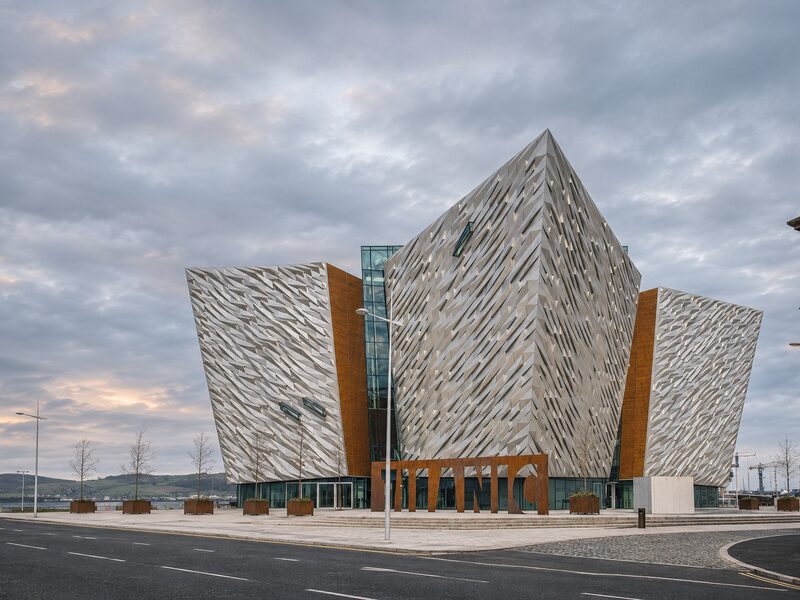
Titanic Belfast
A six-storey landmark on the Harland & Wolff slipways, telling the ship's whole story from drawing board to the ocean floor.
Titanic Quarter
Home › Places to Visit
Landmarks, museums, markets and high places — each with our honest take on who it suits and when to go. Filter by what you're in the mood for.
A six-storey landmark on the Harland & Wolff slipways, telling the ship's whole story from drawing board to the ocean floor.
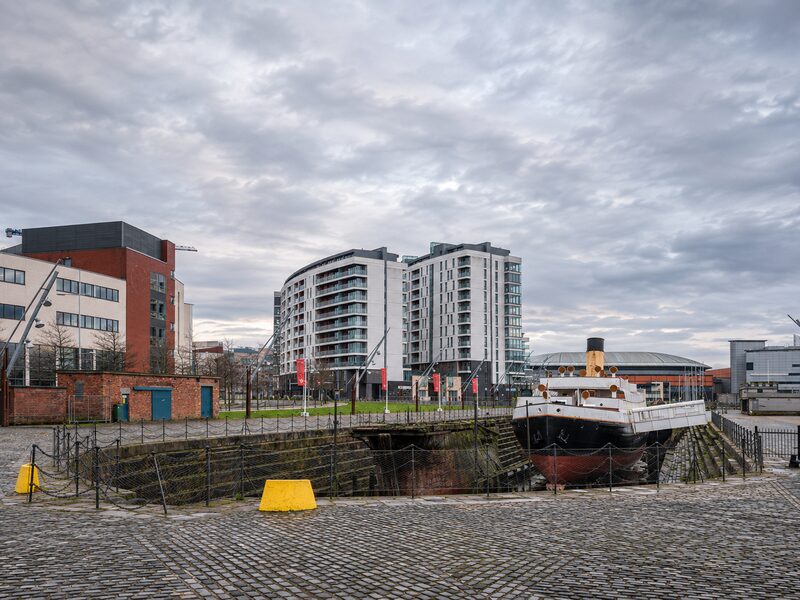
The tender that ferried first-class passengers out to Titanic at Cherbourg, now restored in her original Belfast dry dock.
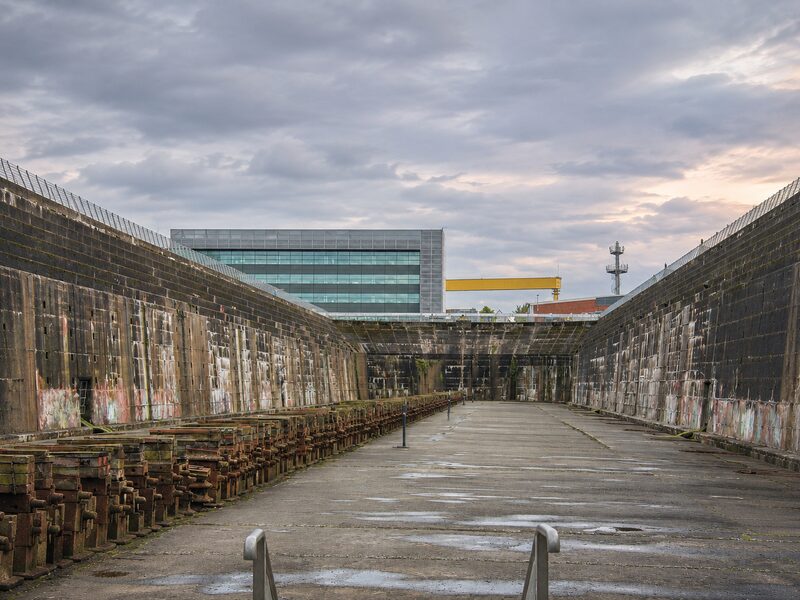
The vast graving dock built to fit the Olympic-class liners, with its original pump-house and engineering still in place.
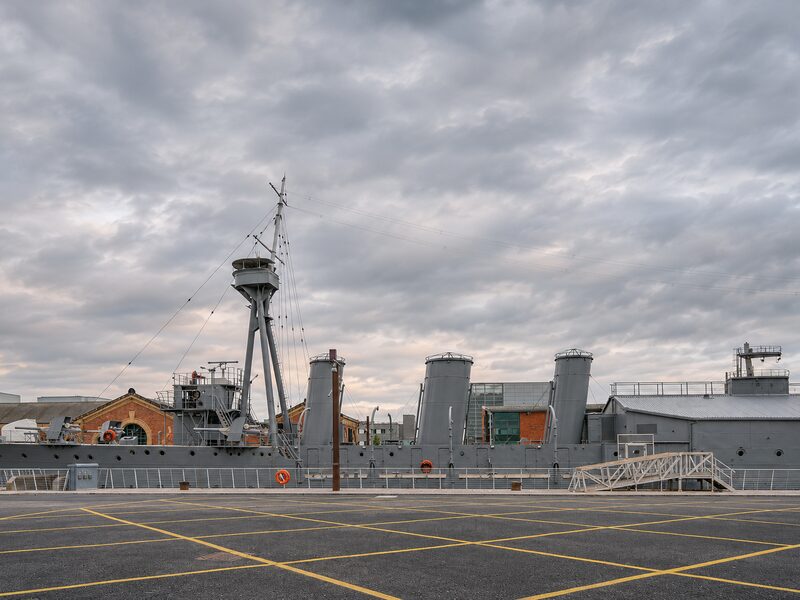
The last surviving Royal Navy ship from the Battle of Jutland, berthed in the Alexandra Dock.
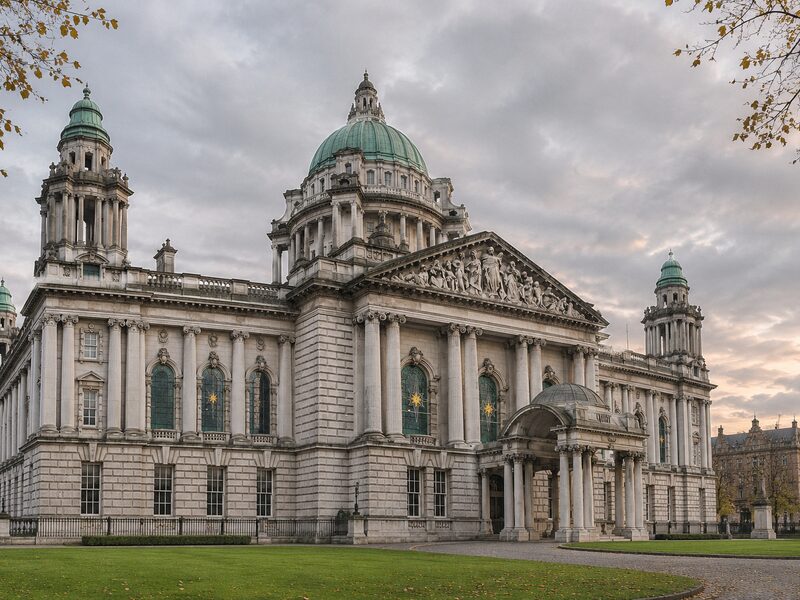
An Edwardian baroque palace in Portland stone, ringed by gardens and monuments at the city's exact centre.
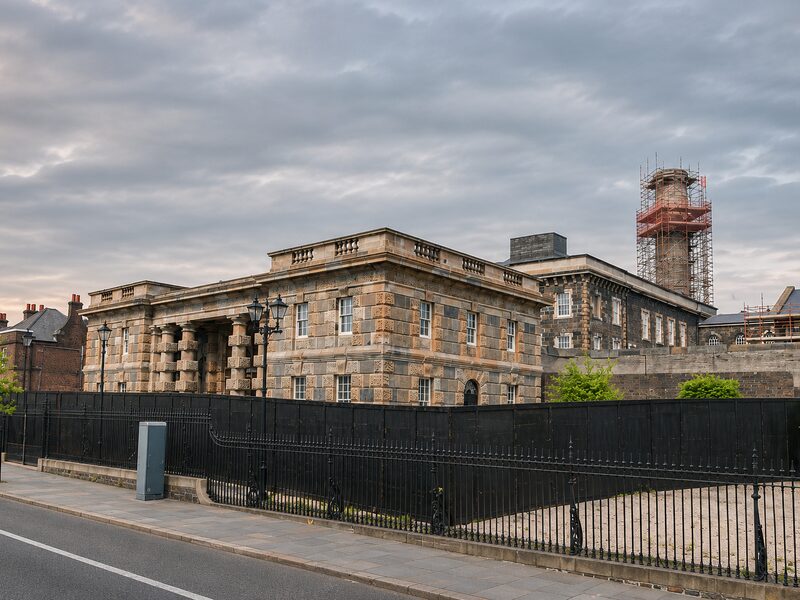
A restored 1845 jail where you walk the wings, the condemned cell and the tunnel to the courthouse opposite.
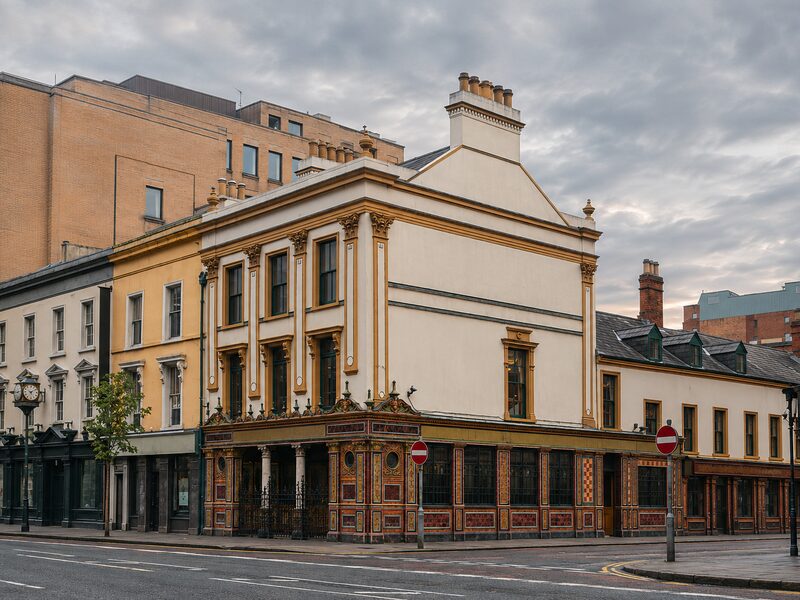
Belfast's most beautiful pub — carved snugs, stained glass and gaslight, opposite the Europa Hotel.
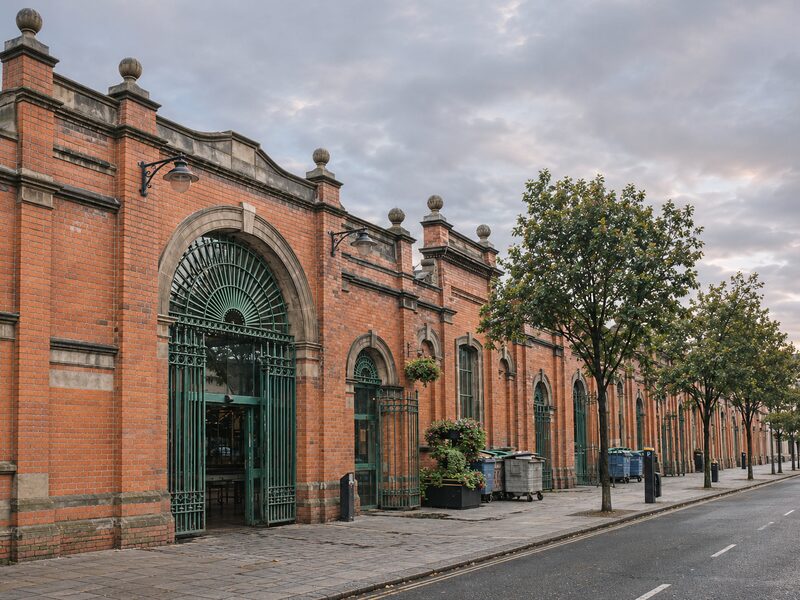
A brick-and-iron market hall from 1890, buzzing at weekends with producers, street food and live sessions.
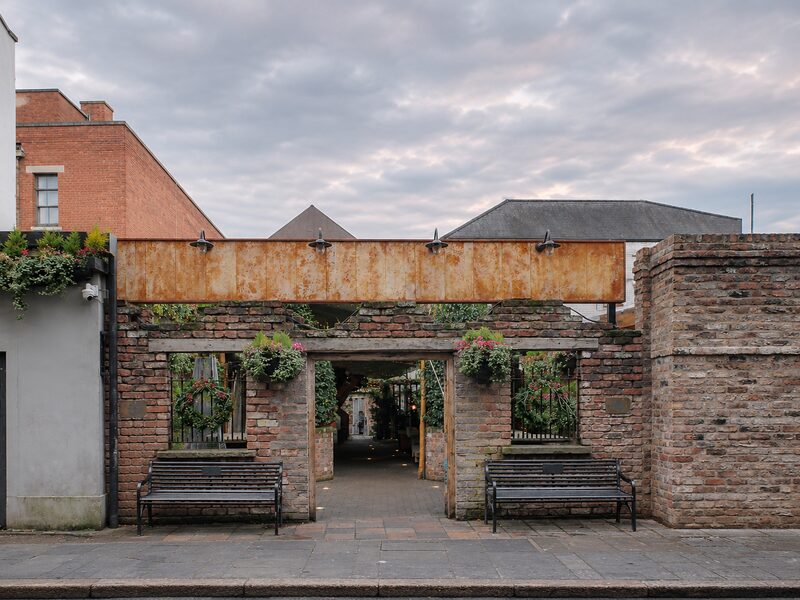
The city's cultural district — St Anne's Cathedral, entry-wide murals, galleries and the best bars and music.
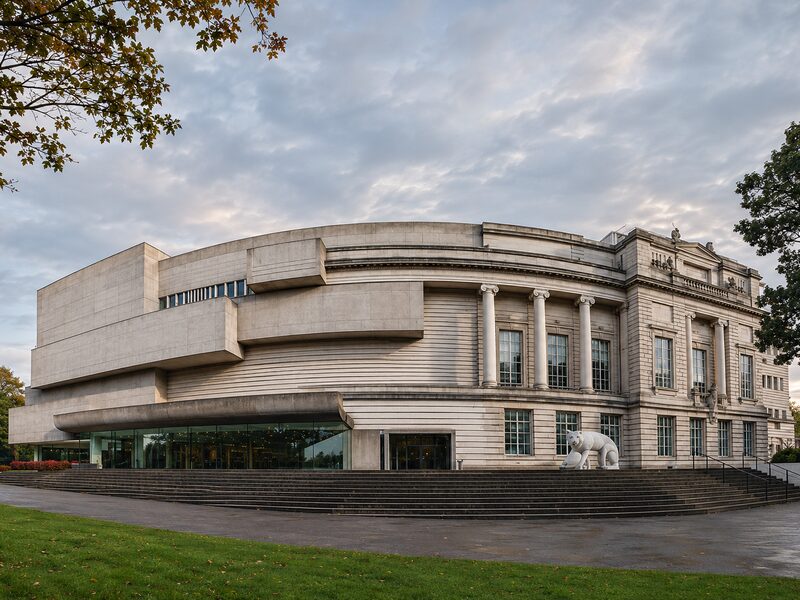
A free national museum in the Botanic Gardens, spanning art, natural history and the story of the North.
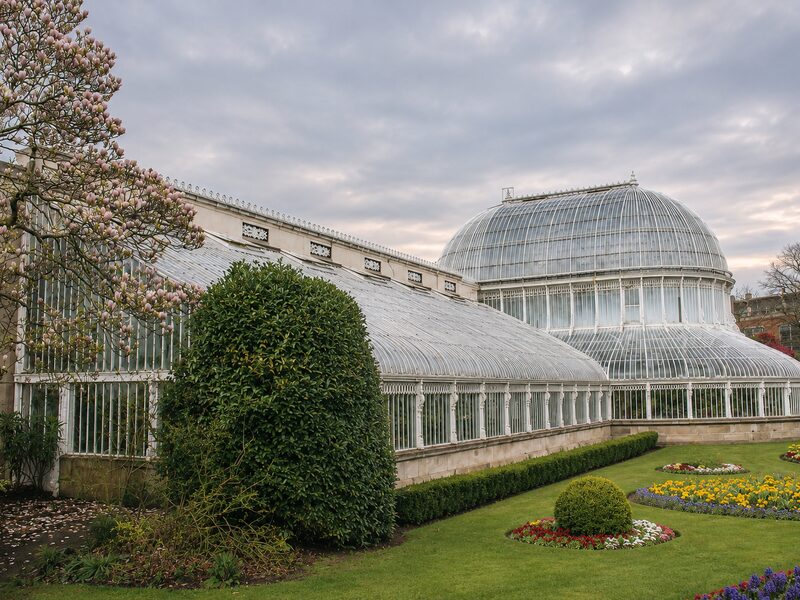
An 1830s public park with one of the earliest curvilinear iron-and-glass palm houses in the world.
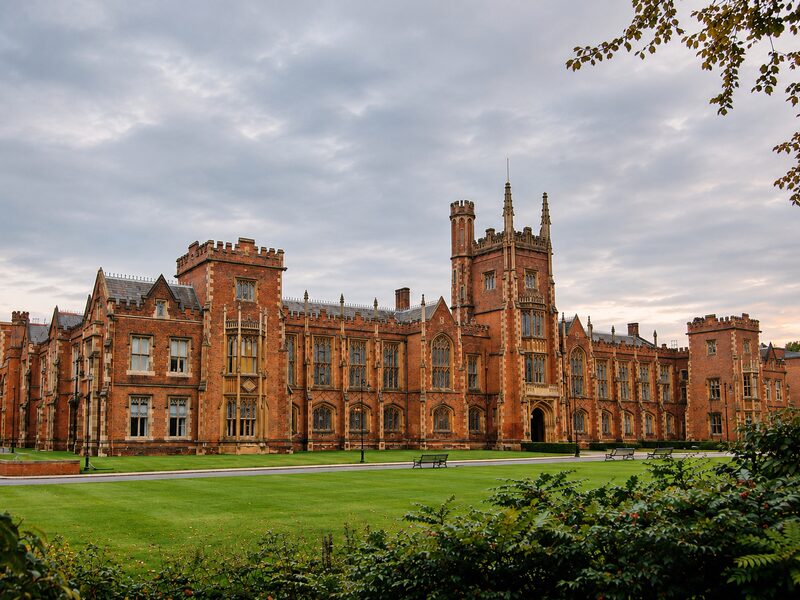
The 1849 Lanyon Building — all honey-coloured brick and turrets — fronting one of the UK's leading universities.
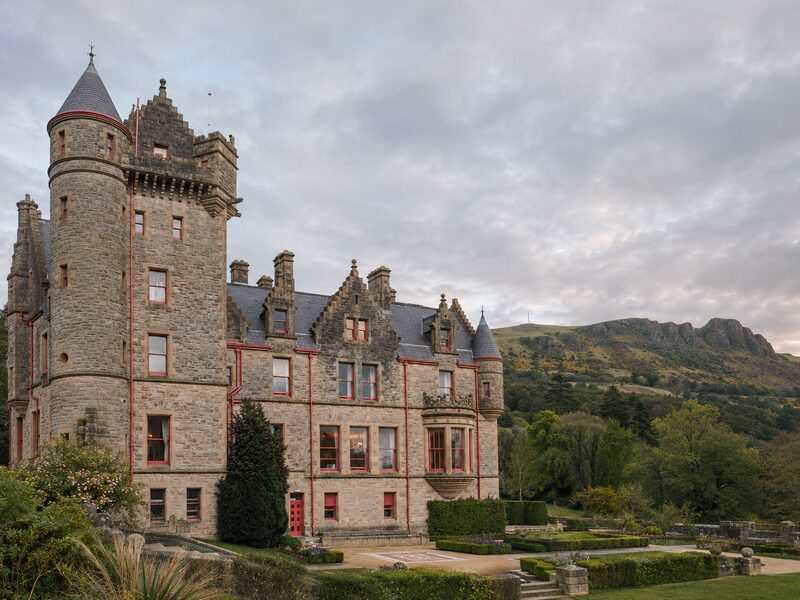
A country park climbing to a dramatic cliff, with a Scottish-baronial castle and panoramas over the whole city and lough.
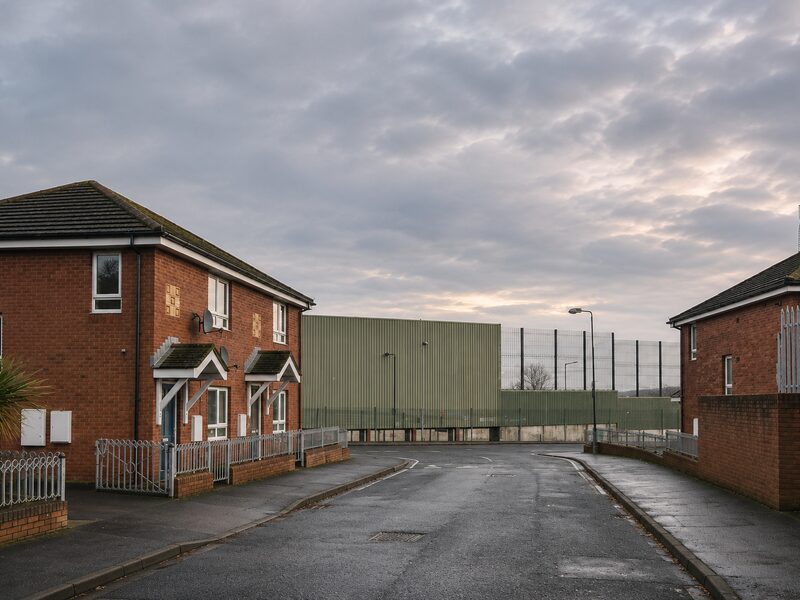
The political murals and peace lines of west Belfast, best understood on a local black-cab tour.
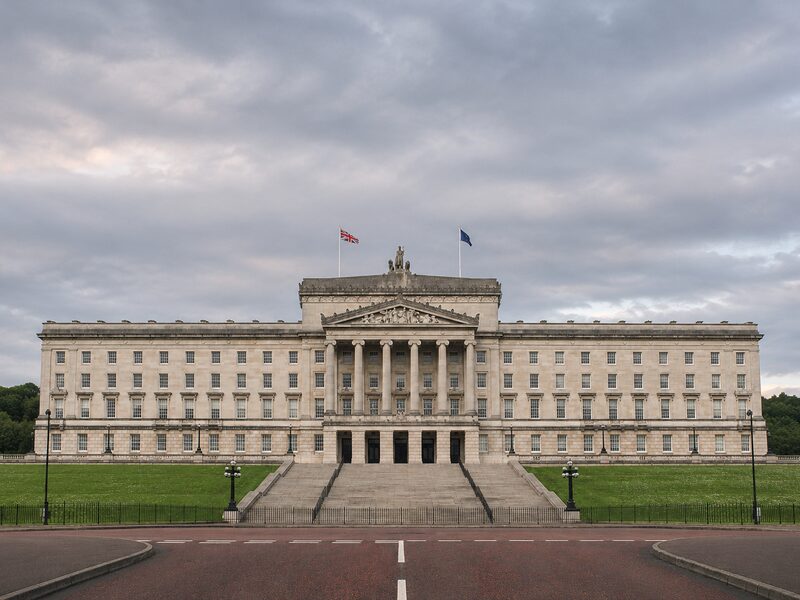
The seat of the Northern Ireland Assembly, set in a grand hilltop estate open to the public.
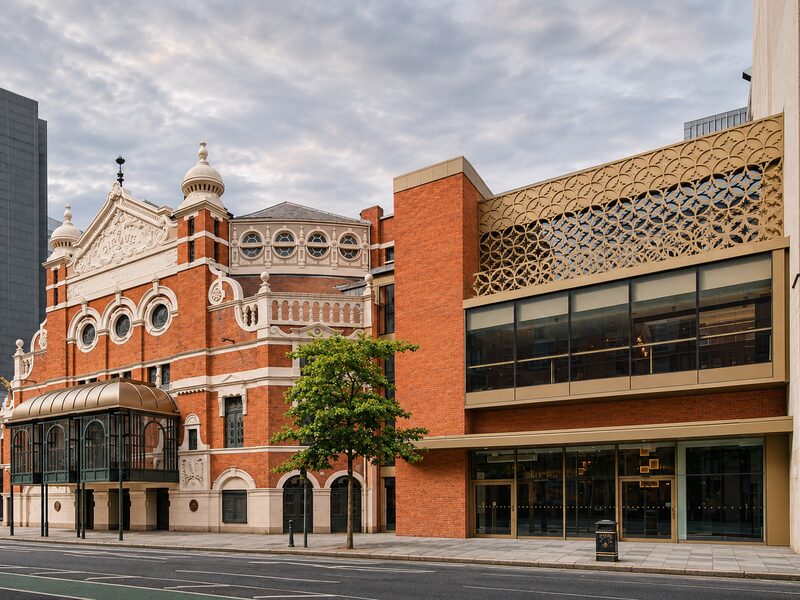
An 1895 auditorium of carved elephants, gilt and painted ceilings, still staging opera, drama and pantomime.
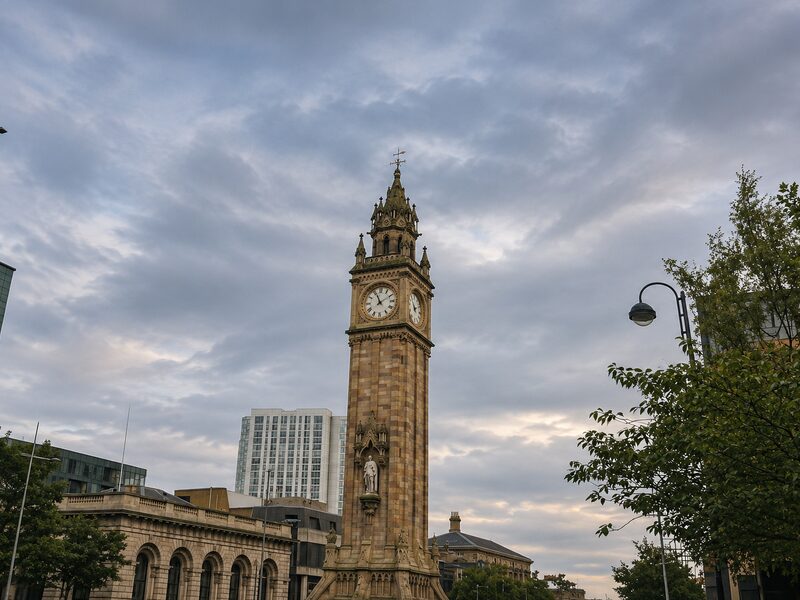
A 35-metre Gothic clock tower from 1869 that tilts off-vertical on its reclaimed-marsh foundations.
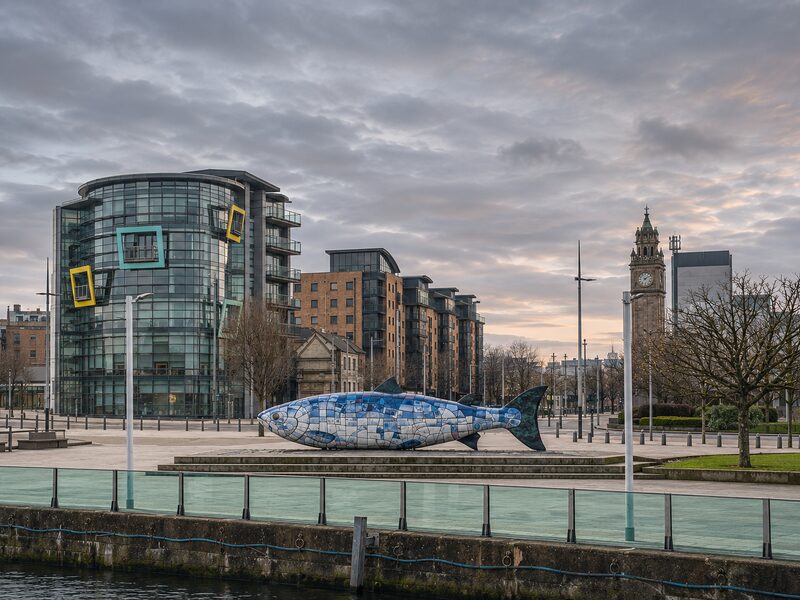
John Kindness's printed-tile sculpture by the Lagan, a modern symbol of a reborn riverfront.